Pain on Top of the Foot: Common Causes and When to See a Podiatrist
December 26, 2025
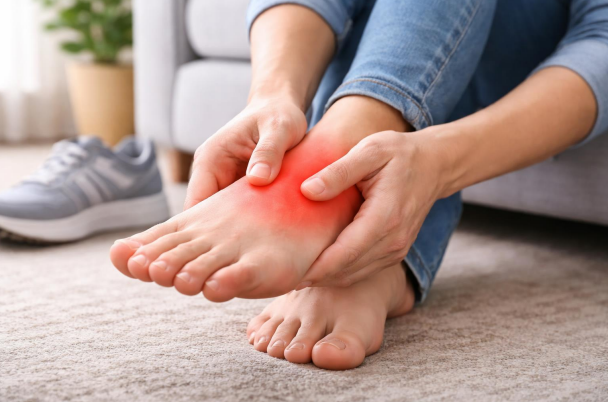
Experiencing pain on top of the foot can be concerning, especially when it interferes with walking, exercise, or wearing shoes comfortably. While this type of pain is less common than heel or arch discomfort, it often points to irritation of tendons, joints, nerves, or bones located along the dorsal (top) side of the foot. Understanding the underlying cause is essential, as some conditions resolve with simple care while others require professional treatment to prevent long-term problems.
This guide explains what causes pain on top of the foot, how to recognize early symptoms, and when seeing a podiatrist is recommended.
What Causes Pain on Top of the Foot?
When patients ask, “Why does the top of my foot hurt?”, the answer often depends on activity level, footwear, and foot structure. Several important anatomical structures run across the top of the foot, making this area vulnerable to strain and pressure.
Extensor Tendonitis
One of the most common reasons the top of foot hurts is extensor tendonitis. The extensor tendons help lift the toes and foot during walking and running. Overuse, sudden increases in activity, tight shoes, or laces that press down on the foot can irritate these tendons. Symptoms often include aching pain, tenderness, swelling, or stiffness that worsens with movement.
In addition, tendon inflammation, commonly refered to as tendonitis, can contribute to foot discomfort, especially with repetitive activity. Learn more in our article on tendonitis in the foot.
Footwear-Related Pressure
Shoes that are too tight, rigid, or poorly fitted can compress soft tissues on the top of the foot. Many people experience top of foot discomfort that improves when shoes are removed or loosened. This type of irritation is common with dress shoes, boots, cleats, or tightly laced athletic footwear and can contribute to tendon inflammation or nerve irritation over time.
Stress Fractures
Stress fractures are small cracks in the bones caused by repetitive impact. They are a common cause of pain on top of foot after walking, running, or prolonged standing. Pain typically develops gradually, becomes more localized, and worsens with activity. Swelling or tenderness may also be present, even if bruising is minimal or absent.
Nerve Irritation or Entrapment
Nerves that run across the top of the foot can become irritated by swelling, tight shoes, or repetitive pressure. This may cause burning, tingling, sharp pain, or heightened sensitivity. In these cases, patients often say “the top of my foot hurts even when I’m not very active.”
Arthritis or Joint Inflammation
Inflammation in the midfoot joints can lead to stiffness and aching across the top of the foot. This is more common with age, prior injuries, or degenerative joint changes. Arthritis-related pain often worsens with prolonged walking or standing and may limit mobility.
When Top of Foot Pain Should Not Be Ignored
Occasional soreness after activity may resolve with rest, but persistent symptoms deserve attention. Warning signs include:
- Pain lasting more than a few days
- Swelling, redness, or warmth
- Pain that worsens with walking or exercise
- Numbness or tingling
- Difficulty wearing shoes
If the top of my feet hurt repeatedly or symptoms interfere with daily activities, a professional evaluation can help prevent progression.
Early Self-Care for Mild Top of Foot Pain
For mild or early symptoms, initial self-care may help reduce inflammation:
- Temporarily reducing aggravating activities
- Wearing supportive shoes with adequate room across the top of the foot
- Avoiding tight laces or pressure points
- Applying ice to manage inflammation
- Gentle stretching of the foot and ankle
While these steps may help, ongoing or worsening pain should not be managed with self-care alone.
When to See a Podiatrist
If you continue wondering “what causes the top of the foot to hurt?” despite rest and shoe changes, it’s time to consider podiatric care. A podiatrist can evaluate foot mechanics, gait, pressure distribution, and possible structural issues contributing to pain.
This is especially important when pain is persistent, recurrent, or activity-limiting. Conditions involving chronic or recurring discomfort may benefit from specialized care available through Foot & Ankle Specialists of Utah’s chronic pain services.
How Podiatric Care Helps Address Top of Foot Pain
Professional podiatric care focuses on identifying the root cause of pain on top of the foot, rather than simply managing symptoms. Depending on the diagnosis, treatment may include:
- Footwear evaluation and recommendations
- Activity modification guidance
- Supportive interventions to reduce strain
- Targeted therapy to address inflammation or nerve irritation
- Monitoring recovery to prevent recurrence
Early evaluation often leads to faster recovery and lowers the risk of long-term issues.
Preventing Future Top of Foot Discomfort
Preventive strategies play an important role in maintaining foot health:
- Choose well-fitted, supportive shoes appropriate for your activity
- Replace worn footwear regularly
- Increase activity levels gradually
- Stretch and strengthen the foot and ankle
- Address pain early rather than pushing through symptoms
These steps can help reduce the likelihood that top of foot discomfort becomes a recurring problem.
Taking the Next Step
If you’re dealing with pain on top of the foot that doesn’t improve, keeps returning, or interferes with daily movement, professional care can make a meaningful difference. The team at Foot & Ankle Specialists of Utah offers comprehensive evaluations and personalized treatment plans designed to relieve pain and protect long-term foot health. Schedule an appointment today.
For more tips, tricks, and helpful information, be sure to check out our social media accounts!