Ingrown Toenails: Symptoms, Infection Signs, and When to Seek Professional Treatment
January 7, 2026
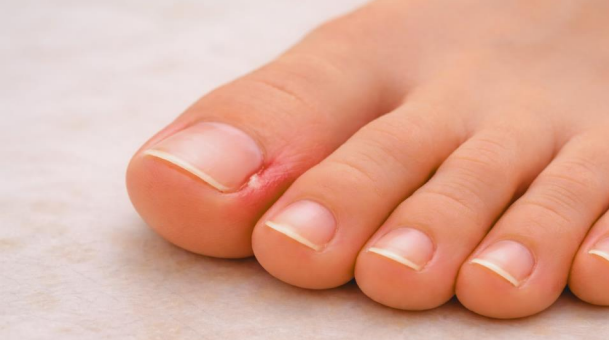
An ingrown toenail often begins as mild discomfort but can worsen over time if not properly addressed. This common condition occurs when the edge of a toenail grows into the surrounding skin, most frequently affecting the big toe. Recognizing ingrown toenail symptoms early, understanding how infection develops, and knowing when professional care is needed can help prevent pain and complications.
What Is an Ingrown Toenail?
An ingrown toenail develops when the nail grows downward or curves into the skin instead of growing straight outward. Pressure from footwear, improper nail trimming, or repeated stress on the toe can irritate the surrounding tissue. As irritation continues, inflammation may increase, and the risk of infection becomes higher.
Although ingrown toenails are common, they should be monitored carefully, especially when discomfort worsens or does not improve.
Common Ingrown Toenail Symptoms
Early ingrown toenail symptoms are often localized to the side of the nail and may progress gradually. Common signs include:
- Tenderness along the nail edge
- Redness near the affected area
- Mild to moderate swelling
- Pain when walking or wearing shoes
- Sensitivity when pressure is applied
At this stage, symptoms may remain manageable, but continued irritation can lead to worsening inflammation.
Signs of an Infected Ingrown Toenail
When bacteria enter the irritated skin, an infected ingrown toenail can develop. Infection is more likely when swelling increases or the skin becomes damaged. Clear indicators of infection include:
- Redness and swelling spreading beyond the nail edge
- A throbbing ingrown toenail with increasing pain
- Warmth in the surrounding tissue
- Pus from an ingrown toenail or other drainage
- A foul odor
- Slower healing
These signs explain if an ingrown toenail is infected, and they indicate that professional treatment is often necessary. Infection risk is higher for individuals with diabetes, circulation problems, or weakened immune systems.

What Causes Ingrown Toenails to Develop?
Several factors contribute to the development of ingrown toenails, including:
- Cutting toenails too short or rounding the corners
- Wearing tight, narrow, or poorly fitting shoes
- Repetitive pressure from running, sports, or daily activity
- Toe injuries or trauma
- Naturally curved or thick toenails
- Excess moisture that softens the surrounding skin
In many cases, multiple factors combine to create ongoing irritation.
Why Early Treatment Matters
Without proper care, ingrown toenails can progress from mild discomfort to infection, increased pain, and repeated flare-ups. Infection may spread to nearby tissue, making treatment more complex and prolonging recovery.
Early evaluation helps relieve pain, reduce infection risk, and support proper healing before complications develop.
Professional Treatment Options for Ingrown Toenails
Professional treatment for ingrown toenails is designed to relieve pain, manage infection when present, and reduce the risk of recurrence. The appropriate approach depends on symptom severity, nail structure, and overall foot health.
Professional care may include:
- Reducing pressure and inflammation along the affected nail edge to ease discomfort and allow the surrounding skin to heal
- Managing infection when an infected ingrown toenail is present, helping control redness, swelling, drainage, and pain
- Correcting problematic nail growth patterns in cases where ingrown toenails recur or continue to worsen
- Evaluating contributing factors, such as nail shape, footwear, activity level, and foot mechanics
- Providing guidance for long-term prevention, helping reduce the chance of future flare-ups
A professional evaluation ensures treatment is tailored to the individual and addresses both current symptoms and underlying causes. Learn more about professional care and treatment options on our ingrown toenail services page.
How to Help Prevent Future Ingrown Toenails
Preventing ingrown toenails often comes down to consistent nail care and reducing pressure on the toes. Simple habits can significantly lower the risk of irritation and recurrence.
- Trim toenails properly: Cut nails straight across and avoid rounding the corners or cutting them too short. This encourages the nail to grow forward instead of into the skin.
- Choose well-fitting footwear: Shoes that are tight, narrow, or shallow in the toe box can increase pressure on the nails. Choose footwear that allows enough room for the toes.
- Maintain good foot hygiene: Keep feet clean and dry to reduce skin softening and bacterial growth around the nail, especially if you sweat frequently or spend long hours on your feet.
- Protect toes from repeated pressure or injury: Repetitive stress from activity or accidental trauma can worsen nail irritation over time.
- Address early discomfort promptly: Redness, tenderness, or swelling should be managed early to prevent minor irritation from progressing into an ingrown toenail.
When to See a Podiatrist
Professional evaluation is recommended when:
- Pain persists or worsens
- Signs of infection develop
- Ingrown toenails recur frequently
- Home care does not improve symptoms
- Diabetes, poor circulation, or nerve issues are present
Early care helps prevent complications and supports faster recovery.
Helping You Heal and Prevent Recurrence
Persistent toe pain or signs of infection should not be ignored. Timely care can make a significant difference in comfort and long-term nail health. If toe pain or signs of infection are affecting your comfort, the team at Foot & Ankle Specialists of Utah provides personalized evaluation and care.
Book an appointment today to relieve pain, treat infection early, and prevent future ingrown toenail complications.
For more tips, tricks, and helpful information, be sure to check out our social media accounts!