Hammertoes Treatments: How to Fix Hammer Toe and Relieve Pain
February 17, 2026
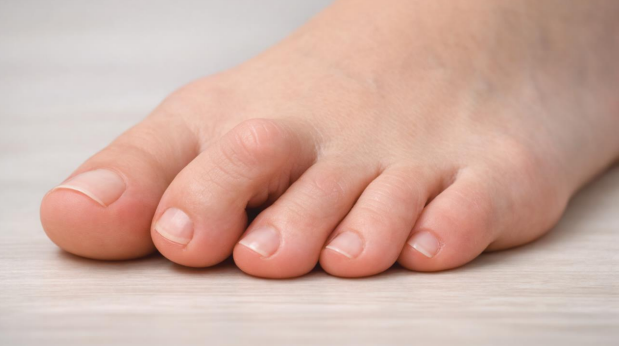
Hammertoes are a common foot deformity that can cause discomfort, shoe irritation, and progressive pain if left untreated. For many patients, understanding available hammertoes treatments provides reassurance that relief is possible. Whether symptoms are mild or more advanced, early care can help reduce pain and prevent worsening deformity.
This guide explains what hammertoes are, why they develop, and how treatment options range from conservative care to advanced surgical solutions.
What Are Hammertoes?
A hammertoe occurs when one of the smaller toes bends abnormally at the middle joint, creating a curled or hammer-like appearance. It most commonly affects the second, third, or fourth toes.
In early stages, the toe may remain flexible and can still be manually straightened. Over time, however, the joint may become rigid and fixed in a bent position. As the deformity progresses, friction inside shoes can lead to corns, calluses, and joint pain. Without appropriate treatment, hammertoes typically do not correct on their own and may gradually worsen over time.
Early recognition is important because flexible hammertoes are generally easier to manage than rigid ones.
Why Do Hammertoes Develop?
Hammertoes typically develop due to muscle and tendon imbalance. When the muscles controlling toe movement become unevenly tight or weak, the toe can remain bent rather than straight.
Other contributing factors include:
- Tight or narrow footwear
- High heels that push toes forward
- Structural foot issues such as flat feet or high arches
- Arthritis affecting toe joints
- Genetics
If untreated, the deformity can gradually worsen, leading to increasing discomfort and stiffness.

Hammertoes Treatments: Non-Surgical Relief Options
Many cases respond well to conservative care. Early intervention plays an important role in treating hammertoes before they become rigid.
A variety of conservative hammer toe treatments can help reduce pain and improve comfort in the early stages. These options focus on relieving pressure and improving toe alignment:
- Wearing shoes with a wide toe box
- Using protective padding to reduce friction
- Toe splints or taping to support alignment
- Custom orthotics to improve biomechanics
- Stretching and strengthening exercises
- Anti-inflammatory measures for swelling
In some cases, additional non-surgical options such as corticosteroid injections may be recommended to reduce inflammation and joint discomfort.
Patients often explore how to fix hammertoe without surgery, especially when symptoms are mild. While conservative care may not permanently straighten a rigid toe, it can significantly reduce pain and slow progression.
Consistency is key. Proper footwear and early treatment can prevent worsening deformity in many cases.
When Do Hammertoes Require Surgery?
If pain persists despite conservative care, surgical correction may be considered. In more advanced cases, discussions often focus on how you can fix hammer toes when nonsurgical measures no longer provide adequate relief.
Surgery may be recommended if:
- The toe becomes rigid
- Pain interferes with walking
- Corns or calluses repeatedly form
- Skin irritation worsens
Surgical options depend on severity and may include:
- Tendon release for flexible deformities
- Joint resection (arthroplasty)
- Joint fusion (arthrodesis)
Most procedures are performed on an outpatient basis, and recovery typically involves temporary use of a post-operative shoe. A thorough evaluation by a podiatrist is essential to assess symptom severity, confirm whether the deformity is flexible or rigid, and determine if surgery is truly necessary.
Is There a Cure for Hammertoe?
Whether there is a true cure for hammertoe depends on the stage of the deformity. Conservative treatment can relieve symptoms and prevent progression, but it does not permanently reverse rigid deformity.
Surgical correction, however, may provide long-term structural improvement in appropriate cases. Early intervention improves the likelihood of successful outcomes and may reduce the need for more complex procedures.

When to See a Podiatrist
Professional evaluation is important if symptoms worsen or do not respond to home care. Experienced hammer toe specialists can assess the severity of the deformity and recommend appropriate treatment options.
You may benefit from evaluation if:
- Pain increases over time
- The toe becomes stiff or fixed
- Corns repeatedly develop
- Walking becomes uncomfortable
- Conservative care fails
Proper evaluation is important to determine the severity of the deformity and identify the most appropriate treatment approach. Learn more about professional care options for hammertoes through our specialized services.
Finding the Right Hammertoes Treatments for You
Every case is different. Some patients find relief with footwear changes and orthotics, while others require advanced correction to restore comfort and mobility. The right approach depends on flexibility of the joint, severity of symptoms, and overall foot structure.
If pain persists or interferes with daily activity, professional evaluation at Foot & Ankle Specialists of Utah can help determine the most effective hammertoes treatments for your condition. Our Utah-based podiatry team provides comprehensive assessment and individualized care tailored to your needs. Book an appointment today to restore comfort and improve mobility.
For more tips, tricks, and helpful information, be sure to check out our social media accounts!