Foot Contusion: How to Tell if It’s Just a Bruise or Something More Serious
January 14, 2026
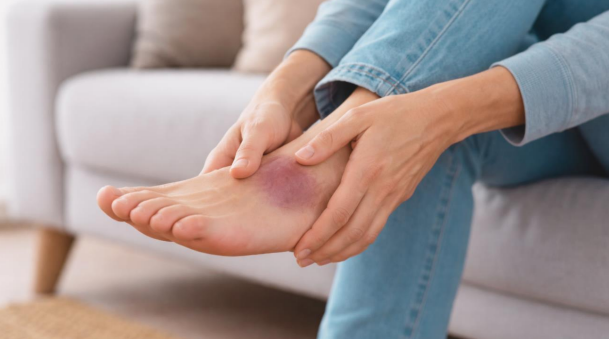
Foot injuries can happen unexpectedly, from bumping into furniture to dropping something heavy or landing awkwardly during physical activity. In many cases, the result is bruising. However, a contusion of the foot, can sometimes feel more painful or last longer than expected, making it difficult to know whether the injury is minor or requires medical attention.
Understanding what a foot contusion is, how it differs from more serious injuries, and when to seek professional care can help ensure proper healing and prevent complications.
What Is a Contusion of the Foot?
A contusion of the foot is a soft-tissue injury caused by direct trauma. When the foot absorbs an impact, small blood vessels beneath the skin may rupture, leading to bleeding within the tissue. This causes visible bruising, tenderness, and swelling.
Unlike fractures or ligament tears, a contusion does not involve broken bones or structural damage. However, because the foot contains many bones, joints, and connective tissues in a compact area, even a simple bruise can feel significant, especially when walking or standing.
Common Causes of Foot Contusions
Foot contusions occur when the soft tissues of the foot absorb direct impact or repeated pressure, causing small blood vessels beneath the skin to break. Because the foot bears weight and is involved in nearly every movement, it is especially prone to this type of injury. As a result, bruised feet are a common complaint after both minor accidents and ongoing stress.
Common causes include:
- Direct impact or trauma: such as dropping an object on the foot or stubbing it against a hard surface
- Sports and physical activity: including running, jumping, or contact during play
- Repetitive stress or overuse: which can lead to bruising even without a single noticeable injury
- Footwear-related pressure: particularly from tight or unsupportive shoes
- Minor injuries that go unnoticed: where bruising appears later despite no clear memory of trauma
Recognizing these causes can help individuals better understand how foot contusions develop and take steps to reduce the risk of future injury.
Common Symptoms of a Foot Contusion
Symptoms of a foot contusion may vary depending on the severity of the injury but often include:
- Skin discoloration that may appear blue, purple, or dark red before fading
- Localized tenderness or soreness
- Mild to moderate swelling
- Pain when standing, walking, or applying pressure
A bruising foot injury often feels stiff or sensitive initially. In most mild cases, symptoms gradually improve over several days to a couple of weeks.
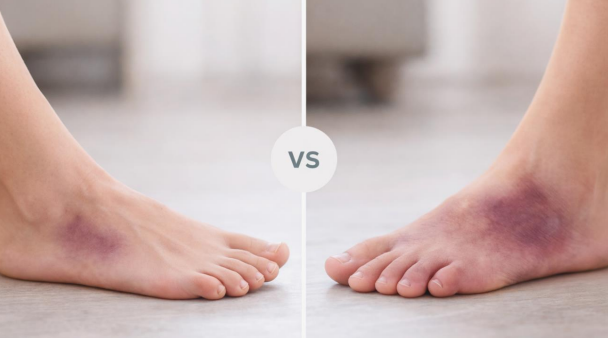
Is It Just a Bruise or Something More Serious?
While many foot contusions heal with time, certain symptoms may indicate a more serious injury.
Signs It May Be a Mild Foot Contusion
- Pain improves with rest and activity modification
- Swelling decreases steadily
- Walking is possible, even if uncomfortable
- Bruising fades as healing progresses
Signs It Could Be Something More Serious
- Persistent or worsening pain
- Difficulty bearing weight on the foot
- Pain localized directly over a bone
- Increasing swelling, stiffness, or instability
- A top of foot bruised for no reason, especially if pain is significant
These symptoms may point to fractures, ligament injuries, or tendon damage that require professional evaluation.
Home Care and Recovery Tips for Foot Contusions
For mild injuries, conservative care can help reduce discomfort and support healing. Understanding how to treat foot contusion symptoms at home may include:
- Resting the foot and avoiding activities that increase pain
- Applying ice to reduce swelling
- Elevating the foot when possible
- Wearing supportive shoes to limit pressure and movement
Most mild contusions improve within one to two weeks. However, if symptoms do not improve or begin to interfere with daily activity, further evaluation is recommended.
When to See a Podiatrist
A podiatrist should evaluate foot injuries when:
- Pain does not improve after several days
- Walking becomes increasingly difficult
- Swelling or bruising worsens instead of improving
- Daily activities or work are affected
Foot injuries related to exercise or physical activity may benefit from specialized care available through our Sports Injuries services page.
A professional exam and imaging, when needed, help determine whether the injury is limited to a contusion or involves deeper structures.

Why Proper Diagnosis Matters
Foot injuries that appear minor can sometimes mask more serious problems. Without proper diagnosis, untreated injuries may lead to prolonged pain, altered walking patterns, or delayed recovery. Early evaluation helps ensure appropriate care and supports a safe return to normal activity.
This is especially important for athletes, older adults, and individuals with conditions that affect circulation or healing.
Take the Next Step Toward Recovery
While many foot contusions heal on their own, ongoing pain or bruising should not be ignored. Knowing whether an injury is simply a bruise or something more serious can protect your mobility and long-term foot health.
If foot pain or bruising is affecting your comfort or ability to move, the team at Foot & Ankle Specialists of Utah provides professional podiatric care for individuals across Utah. Book an appointment today for expert evaluation and personalized care.
For more tips, tricks, and helpful information, be sure to check out our social media accounts!