Bunions and Bunionettes: Key Differences, Causes, and Treatment Options
May 25, 2026
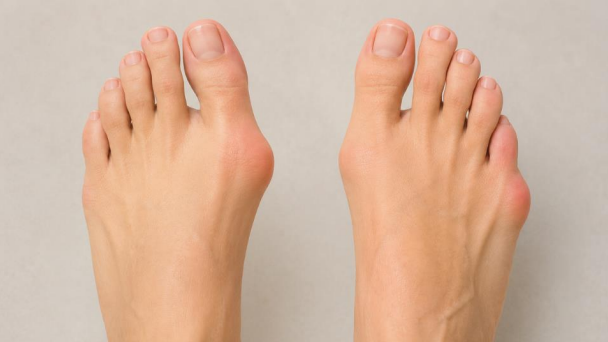
Both bunions and bunionettes are common foot deformities that can lead to pain, irritation, and difficulty wearing certain shoes. Although these conditions share similarities, they affect different areas of the foot and may develop for different reasons.
Understanding the differences between bunions and bunionettes can help patients recognize early signs, better understand symptoms, and know when professional evaluation may be appropriate.
What Is a Bunion?
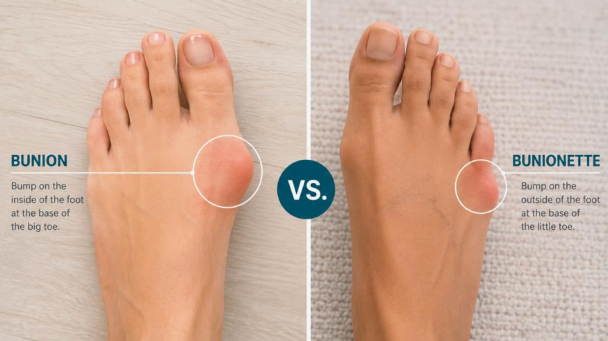
A bunion is a structural deformity that develops at the base of the big toe joint. Over time, the big toe gradually shifts inward toward the smaller toes while the joint at the base of the toe becomes more prominent.
This change in alignment may cause:
- Redness or swelling
- Pressure in shoes
- Stiffness in the joint
- Discomfort while walking
- Crowding of the toes
A bunion and bunionette are similar in that both involve joint misalignment and pressure-related irritation, but they occur in different locations on the foot.
What Is a Bunionette?
A bunionette, also known as a tailor's bunion, develops along the outside of the foot near the base of the fifth toe. Instead of affecting the big toe joint, this condition involves the joint near the little toe.
The term bunionette tailor's bunion comes from the historical observation that tailors often sat cross-legged for long periods, placing pressure on the outside of the foot.
Patients asking what's a bunionette may notice:
- A small bump near the little toe
- Redness or swelling
- Irritation in narrow shoes
- Pain along the outside of the foot
Although bunionettes are often smaller than traditional bunions, they can still cause significant discomfort and shoe irritation.
Bunionette vs Bunion: Key Differences
Although bunions and bunionettes share similarities, they affect different joints in the foot and may create different pressure patterns or symptoms. Understanding these distinctions can help patients better recognize changes in foot alignment and discomfort.
| Feature | Bunion | Bunionette |
|---|---|---|
| Location | Base of the big toe | Base of the little toe |
| Affected Joint | First metatarsal joint | Fifth metatarsal joint |
| Toe Movement | Big toe shifts inward | Little toe shifts inward |
| Common Symptoms | Pain, swelling, toe crowding | Outer foot irritation, shoe pressure |
| Footwear Discomfort | Often aggravated by narrow toe boxes | Often aggravated by tight outer shoe pressure |
| Also Known As | Hallux valgus | Tailor's bunion |
Common Causes of Bunions and Bunionettes
Several factors may contribute to the development of these deformities. Although footwear can worsen symptoms, shoes alone are not typically the sole cause.
Foot Structure and Genetics
Inherited foot mechanics often play an important role. Flat feet, unstable joints, and certain structural patterns may increase stress on the joints over time.
Footwear Pressure
Narrow shoes and footwear that place excessive pressure on the toes may aggravate symptoms and contribute to irritation. High heels may also increase stress on the front of the foot.
Biomechanical Stress
Abnormal walking mechanics and repetitive pressure on the foot can gradually affect joint alignment. These factors may help explain certain bunionette causes and why symptoms may worsen over time.
Symptoms Patients Commonly Notice
Symptoms may vary depending on the severity of the deformity and the amount of pressure placed on the joint.
Common symptoms may include:
- Visible bony prominence
- Redness or swelling
- Aching or burning discomfort
- Pain while wearing shoes
- Calluses or corns
- Toe crowding or shifting
As these conditions progress, some patients may also develop stiffness or increasing discomfort with walking and activity.
Conservative Treatment Options
Conservative treatment focuses on reducing pressure and improving comfort rather than reversing the structural deformity itself. Because symptoms and foot structure can vary significantly from person to person, treatment is most effective when guided by a foot specialist who can recommend appropriate support and pressure-relief strategies based on the severity of the condition.
Treatment approaches may include:
- Wider toe-box footwear
- Protective padding
- Custom orthotics
- Activity modifications
- Reducing repetitive pressure on the joint
Conservative care may help reduce discomfort and pressure in some cases. Learn more about whether bunions can be corrected without surgery and how treatment depends on the severity of the condition.
When to See a Podiatrist for Bunions or Bunionettes
Professional evaluation may be important if:
- Pain becomes persistent
- Walking becomes uncomfortable
- Shoes become difficult to wear
- Swelling or irritation worsens
- Toe alignment continues changing
Patients experiencing ongoing discomfort may benefit from professional evaluation and personalized bunion treatment to help improve comfort and mobility.
Understanding Foot Changes Early Can Help Protect Comfort
Both bunions and bunionettes are progressive structural conditions that can gradually affect comfort, footwear choices, and daily activities. Recognizing symptoms early and understanding the differences between these deformities can help patients make informed decisions about treatment and foot care.
If you are experiencing persistent foot pain or noticing changes in toe alignment, the podiatry team at Foot & Ankle Specialists of Utah is here to help patients throughout Utah. Schedule an appointment for a comprehensive evaluation and personalized treatment recommendations to support long-term foot comfort and mobility.
For more tips, tricks, and helpful information, be sure to check out our social media accounts!