Arch Pain from Orthotics? Here’s What It Means and How to Fix It
January 9, 2026
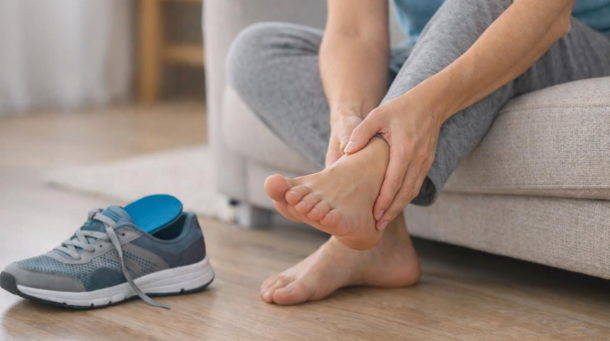
Orthotics are designed to improve foot alignment, reduce strain, and support long-term comfort. However, some people experience arch pain with orthotics, especially early on or when the fit isn’t quite right. While mild soreness can be part of an adjustment period, ongoing discomfort is a sign that something may need to be addressed.
Understanding why orthotics can cause arch discomfort, and knowing how to respond, can help you get the benefits of support without unnecessary pain.
How Orthotics Support Foot Alignment
Orthotics are designed to support the foot in a more efficient position by redistributing pressure and guiding movement during standing and walking. By supporting the arch and improving alignment, they help reduce excessive strain on muscles, tendons, and joints throughout the foot and lower limb.
When properly fitted, orthotics can improve how forces are absorbed with each step, which may ease stress caused by overuse, poor mechanics, or uneven weight distribution. This support can be especially helpful for maintaining stability and promoting more balanced movement patterns.
Because orthotics actively influence how the foot functions, a short adjustment period is common. Over time, effective support should feel natural and comfortable, contributing to improved alignment rather than creating pressure or restriction.
Why Do My Orthotics Hurt My Arch?
Arch discomfort while wearing orthotics can happen for several reasons, especially during the early stages of use or when fit and support aren’t fully optimized.
- Adjustment period: Muscles and connective tissues may feel sore as they adapt to new support and alignment.
- Too much wear too soon: Wearing orthotics for long periods right away can overload the arch before it has time to adjust.
- Shoe compatibility issues: Orthotics placed in shoes without enough structure or space may shift and create pressure points.
- Support mismatch: If the arch support does not align well with your foot structure, discomfort can develop instead of relief.
- Changes in foot mechanics: Altered movement patterns may temporarily stress tissues that were previously underused.
If discomfort persists or worsens rather than improving, it’s important to have the orthotics re-evaluated.
Can Too Much Arch Support Cause Plantar Fasciitis?
Arch support is meant to reduce strain, but when it is too aggressive or not aligned with the foot’s structure, it can increase tension on the plantar fascia instead of relieving it.
Concentrated pressure in the arch may place added stress on this tissue during walking or standing, which can worsen heel or arch discomfort.
Arch support itself is not harmful. Issues usually occur when the level or placement of support does not match how the foot moves. Properly fitted and adjusted orthotics should distribute pressure evenly and support natural mechanics rather than cause irritation.
Signs Your Orthotics May Need Adjustment
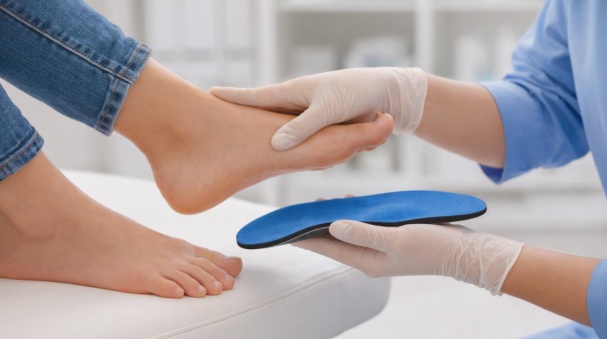
Orthotics should enhance comfort over time, not limit it. A professional evaluation may be appropriate if you notice:
- Discomfort that continues beyond the initial adjustment period
- Sharp or localized pressure in one specific area of the foot
- Pain that interferes with walking, standing, or daily activities
- New symptoms that were not present before wearing orthotics
In some cases, irritation may present as medial arch pain, which can indicate uneven pressure or improper support placement.
What Can Help Relieve Discomfort from Orthotics
Several steps can help improve comfort and effectiveness:
- Gradually increase wear time rather than wearing orthotics all day immediately
- Make sure your shoes provide adequate support and space for the orthotics to function properly
- Take short breaks if discomfort increases and resume wear more slowly
- Have the fit, alignment, or materials professionally reviewed if pain persists
Even small adjustments can make a meaningful difference in how orthotics feel and perform.
Professional orthotic care goes beyond the initial fitting. A podiatrist can assess how your orthotics interact with your foot structure, footwear, and daily activity, making adjustments as needed to improve comfort and support. To learn more about professional orthotic evaluation and care, visit our Orthotics service page.
When to See a Podiatrist
It’s important to seek professional care if arch discomfort continues or interferes with daily movement. A podiatrist can help determine whether your orthotics need adjustment or if another issue is contributing to the pain.
Consider scheduling an evaluation if you experience:
- Arch pain that persists beyond the normal adjustment period
- Discomfort that worsens instead of improving over time
- Pain that affects walking, standing, or daily activities
- New or unusual symptoms that began after wearing orthotics
- Ongoing discomfort despite changing shoes or adjusting wear time
Early evaluation helps prevent prolonged discomfort and supports long-term foot health.
Professional Guidance for Lasting Comfort
Orthotics are meant to support your feet, not cause ongoing pain. When discomfort occurs, it often means the support needs refinement rather than abandonment.
If arch pain is affecting your daily routine, the team at Foot & Ankle Specialists of Utah can help evaluate your orthotics and recommend appropriate solutions tailored to your needs.
Book an appointment today to have your orthotics evaluated and restore comfortable foot support.
For more tips, tricks, and helpful information, be sure to check out our social media accounts!